


DEKA QuietNite Fractional CO2 Laser Treatment
Non-Surgical Tonsil Reduction & Treatment for Snoring – UPWard Orthodontics and CARE Esthetics – Houghton
A Minimally Invasive Treatment to Improve Snoring and Reduce Chronic Tonsil Inflammation
Effective, Safe Treatment with Long-Lasting Results
UPWard Orthodontics and CARE Esthetics – Houghton are thrilled to introduce the DEKA QuietNite Fractional CO2 Laser Therapy for our valued patients. This innovative treatment addresses two commonly occurring issues that affect the breathing of a surprisingly significant number of people: Snoring, and Chronic Swollen Tonsils.
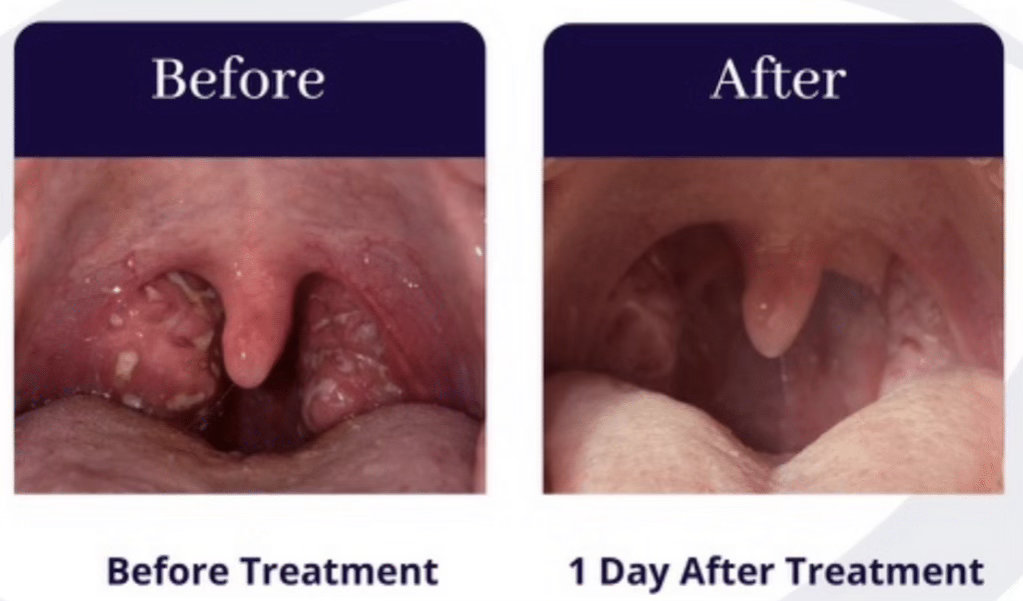
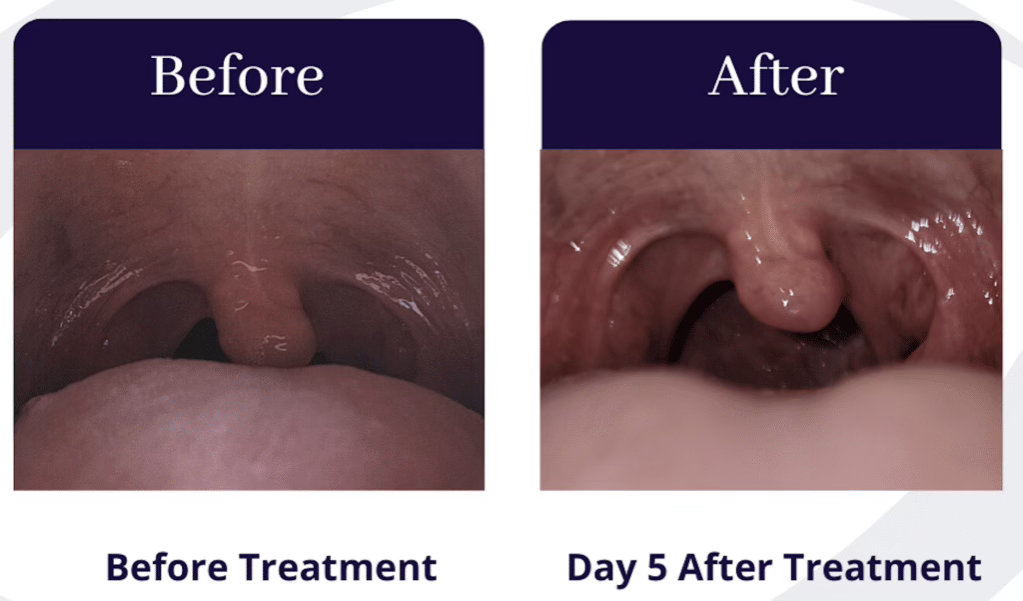
If you or anyone in your family is dealing with snoring or swollen tonsils and would like to explore a minimally invasive approach to treatment, schedule a consult today with Dr. Darin and the UPWard Orthodontics Team!
Non-Surgical Treatment for Snoring:
Laser assisted soft palate, uvula and tongue tissue tightening to improve primary snoring (non-apnea) caused by vibration of soft palate/uvula and mild sleep-disordered breathing.
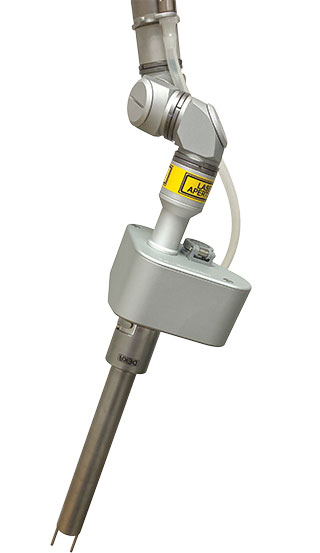 How It Works:
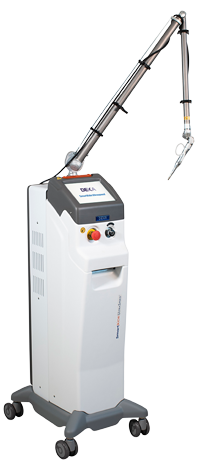
The QuietNite system uses targeted fractional CO₂ laser energy to treat the soft tissues in the back of the mouth and throat, including the soft palate, uvula, and tonsils.
Fractional Ablation:
The laser creates microscopic thermal wounds in the target tissue without damaging the surrounding area.
Collagen Stimulation:
This controlled micro-damage triggers the body’s natural healing process, stimulating the production and remodeling of new collagen fibers.
Tissue Tightening:
As the new collagen forms, the treated soft tissues become firmer, tighter, and less likely to vibrate or collapse during sleep. This effectively widens the airway, reducing or eliminating the sound of snoring and improving airflow.
Non-Surgical Tonsil Reduction:
Laser tonsil cryptolysis and fractional tonsil treatment to improve chronic tonsil inflammation and infections, tonsil stones, persistent halitosis (bad breath) caused by inflamed tonsils, and enlarged tonsils causing discomfort and/or affecting the airway.
 Key Features and Benefits:
The procedure is affordable, quick, comfortable, and convenient.
Minimally Invasive:
It is a non-surgical procedure that does not require cutting, sutures, or general anesthesia.
No Downtime:
Patients can immediately resume normal eating, drinking, and daily activities after the 15-30 minute in-office session.
Painless:
Usually no anesthetic is required, or only a topical anesthetic may be used, and patients typically experience minimal discomfort, sometimes described as a “pop rocks” sensation.
Effective Results:
Most patients notice reduced snoring and/or reduced tonsil size the day after the first session. A series of 2–4 initial sessions, spaced 2-4 weeks apart, is usually recommended for optimal, long-lasting results that can last for 9–12 months.
Decontamination:
The laser energy also helps to decontaminate the treated area, reducing the risk of infection and sealing nerve endings for a pain-free recovery.
